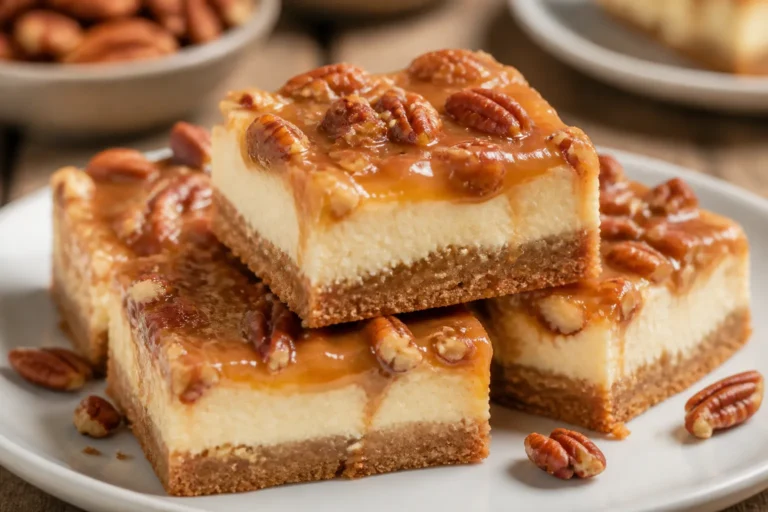
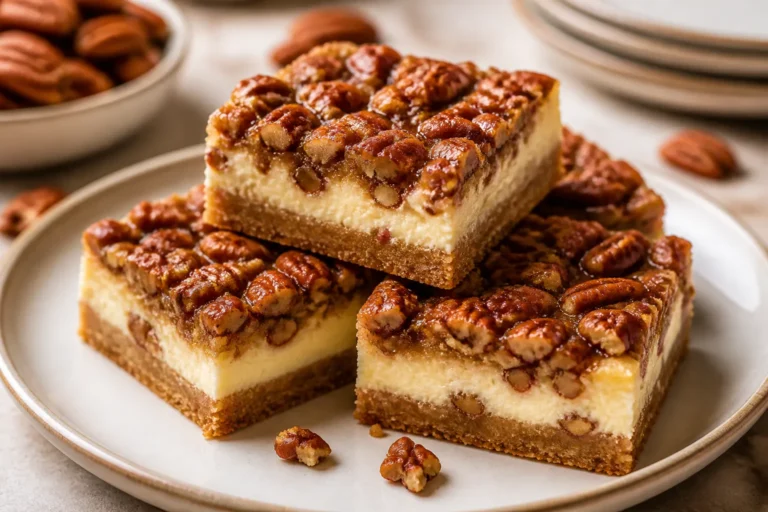
Turtle Cheesecake – Classic Creamy Dessert With Caramel, Chocolate, and Pecans
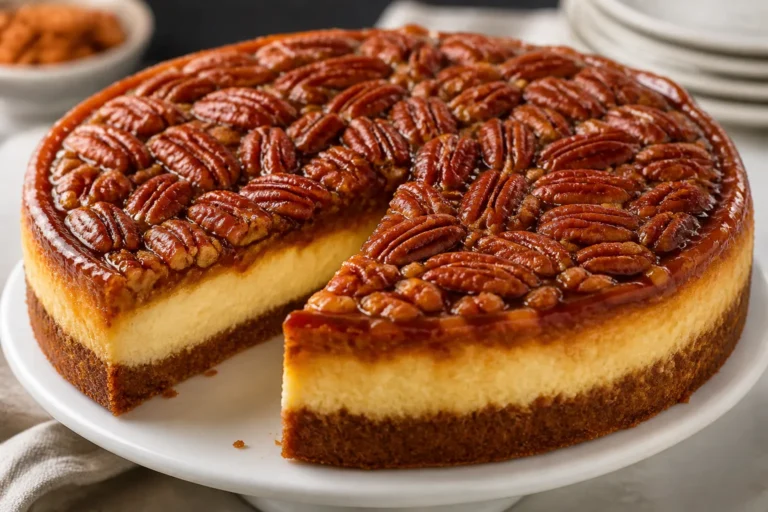
Turtle cheesecake delivers everything you want in a dessert: creamy vanilla filling, a buttery cookie crust, and a generous drizzle of caramel and chocolate. It’s rich without being heavy, with toasted pecans adding a crunchy, nutty finish. This version keeps the process simple and reliable, so you get a smooth, crack-free cheesecake at home.
It’s great for holidays, birthdays, or any time you want a showstopping treat. Serve it chilled, slice it clean, and watch it disappear.
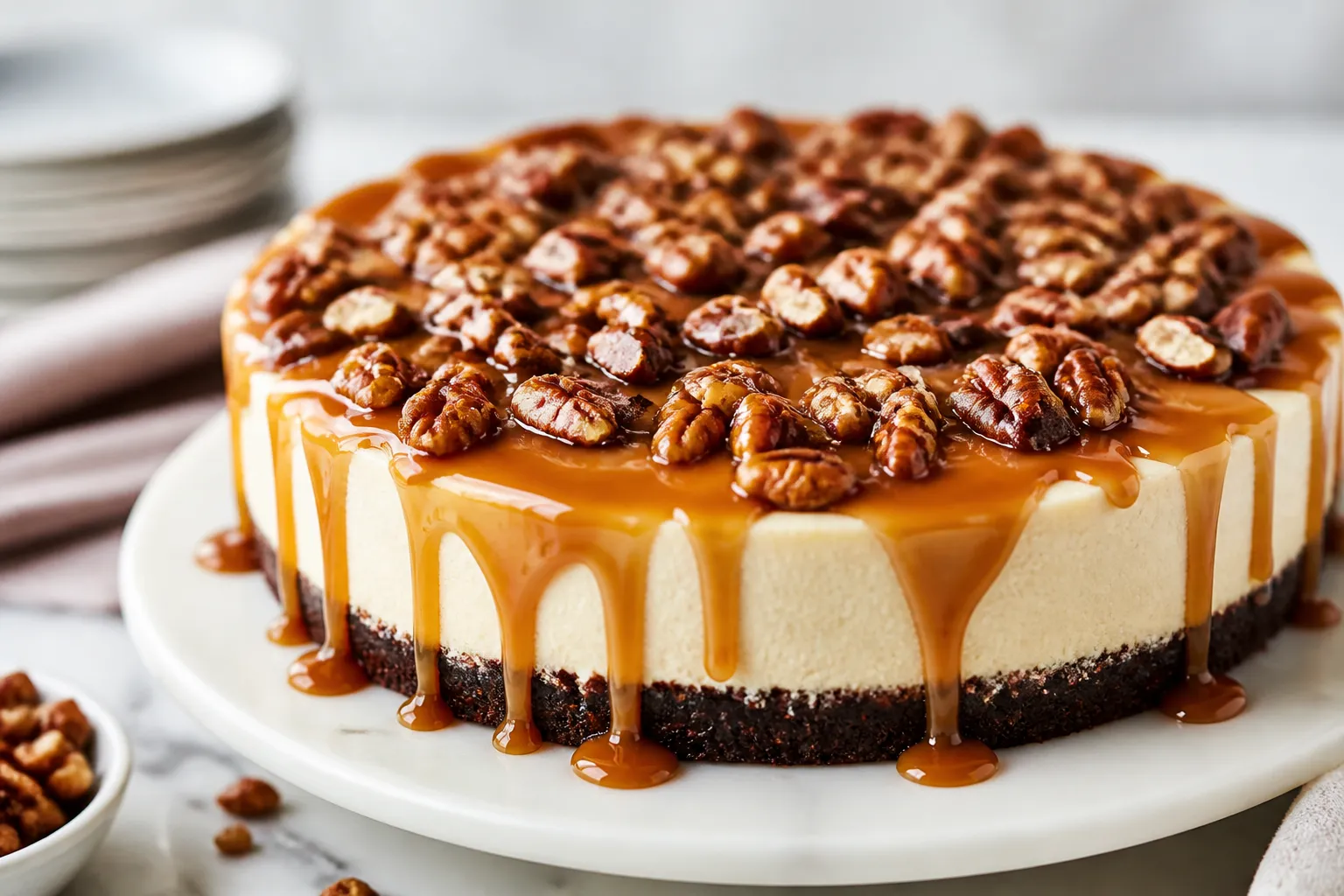
Turtle Cheesecake - Classic Creamy Dessert With Caramel, Chocolate, and Pecans
Ingredients
Method
- Prep the pan and oven: Heat oven to 325°F (163°C). Wrap the outside of a 9-inch springform pan with two layers of heavy-duty foil, covering the base and sides to guard against water leaks. Lightly grease the inside.
- Make the crust: In a bowl, combine cookie crumbs, melted butter, sugar, and a pinch of salt. Stir until the crumbs look like wet sand. Press firmly into the bottom of the pan, building a slight 1/2-inch lip up the sides. Bake for 8–10 minutes, then cool slightly.
- Beat the cream cheese: In a large bowl, beat softened cream cheese on medium speed for 2 minutes until smooth and fluffy. Scrape the bowl and paddle often to avoid lumps.
- Add sugars and salt: Mix in granulated sugar, brown sugar, and salt until fully incorporated and creamy. Avoid whipping too much air into the batter.
- Blend in sour cream, cream, and vanilla: Add sour cream, heavy cream, and vanilla. Beat on low until smooth. Scrape the bowl again.
- Mix in eggs: Add eggs one at a time on low speed, mixing just until each is blended. The batter should look velvety and pourable without bubbles.
- Assemble and prepare for baking: Pour the batter over the crust and smooth the top. Tap the pan gently on the counter a few times to release air bubbles.
- Water bath setup: Place the foil-wrapped pan in a large roasting pan. Pour hot water into the roasting pan until it reaches halfway up the sides of the springform pan. Alternatively, place a pan of hot water on a lower rack to create steam if you prefer not to use a traditional bath.
- Bake: Bake at 325°F for 65–80 minutes. The edges should be set, and the center should wobble slightly like Jell-O when you jiggle the pan. If the top browns too quickly, tent loosely with foil.
- Cool gradually: Turn off the oven, crack the door, and let the cheesecake sit inside for 45–60 minutes. This gentle cool helps prevent cracks.
- Chill: Remove the pan from the water bath, discard foil, and run a thin knife around the edge to loosen. Cool to room temperature, then cover and refrigerate for at least 6 hours, preferably overnight.
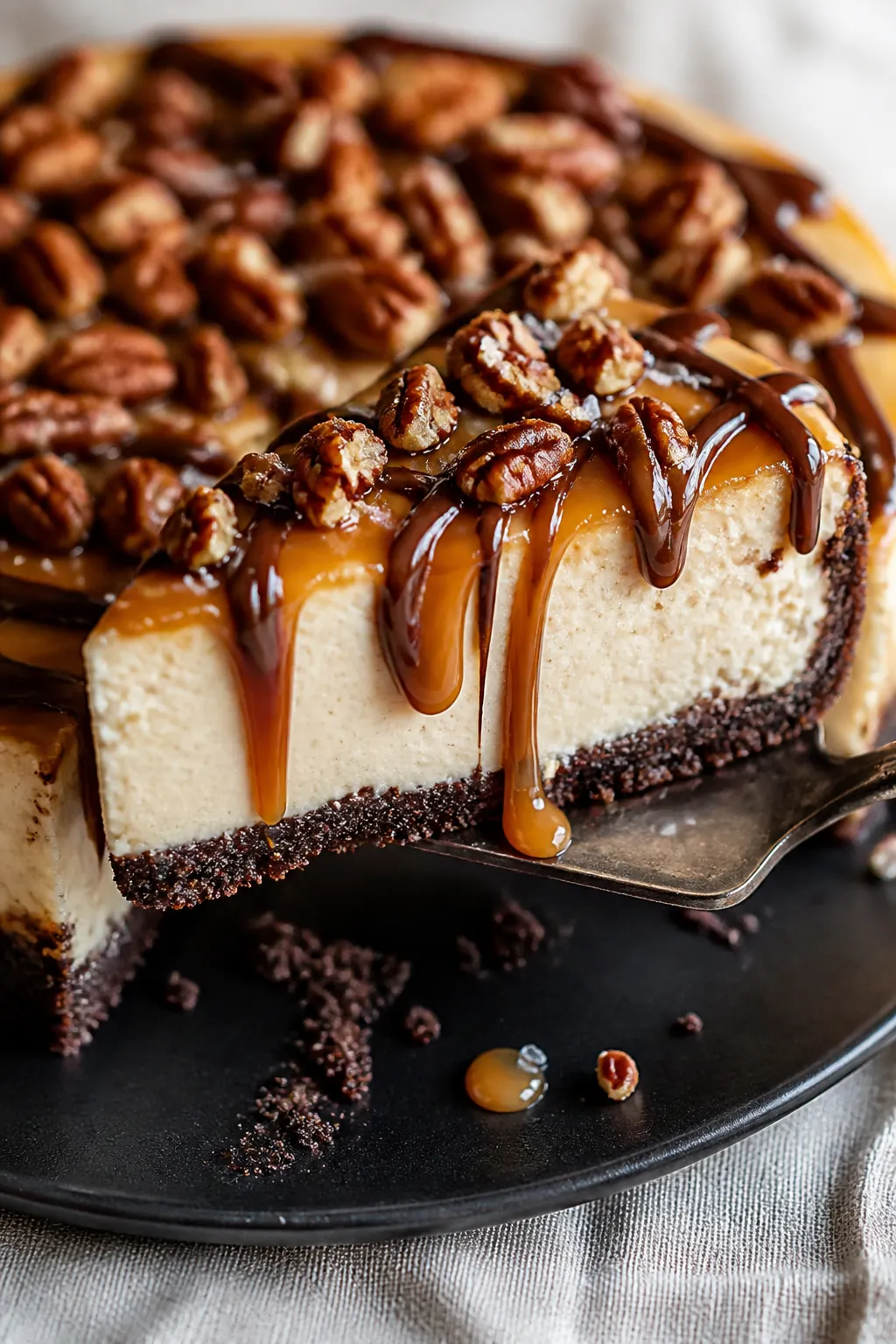
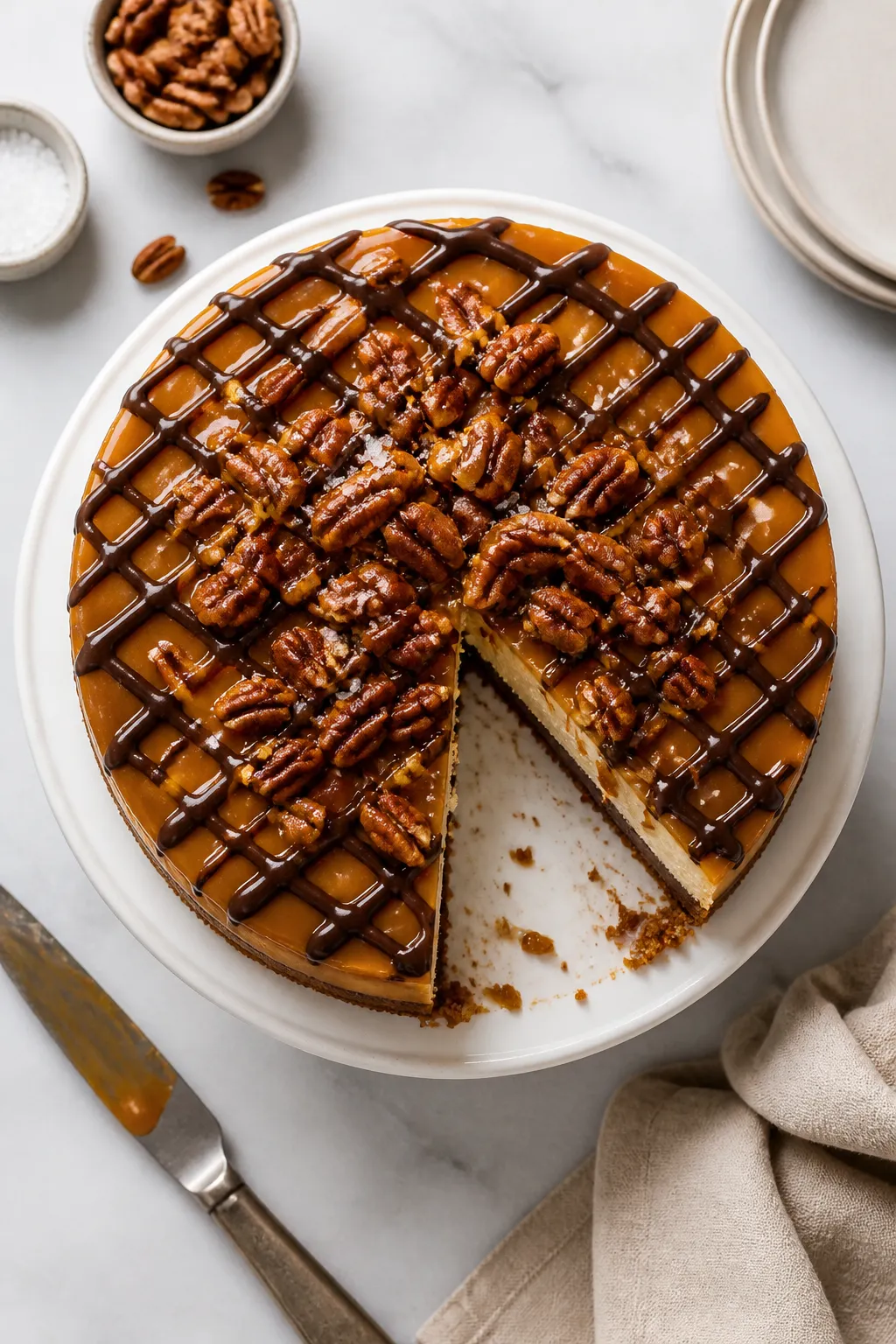
- Add the turtle topping: Release the springform ring. Spread a thin layer of caramel over the top. Drizzle warm hot fudge in zigzags. Scatter toasted pecans generously. Finish with another light drizzle of caramel and fudge, and a pinch of flaky sea salt if you like.
- Slice and serve: For clean slices, warm a sharp knife under hot water and wipe between cuts. Serve chilled.
Why This Recipe Works
- Room-temperature ingredients blend smoothly, preventing lumps and ensuring a silky batter.
- A gentle water bath (or steam method) promotes even baking and helps prevent cracking.
- A mix of cream cheese and sour cream gives the filling a balanced tang and a creamy, custard-like texture.
- Sturdy cookie crust holds up to toppings and slices cleanly without crumbling.
- Make-ahead friendly: resting and chilling overnight develops flavor and sets the texture perfectly.
Ingredients
- For the crust:
- 1 3/4 cups chocolate cookie crumbs (from chocolate graham crackers or chocolate wafer cookies)
- 5 tablespoons unsalted butter, melted
- 2 tablespoons granulated sugar
- Pinch of salt
- For the cheesecake filling:
- 32 ounces (4 blocks) full-fat cream cheese, softened
- 1 cup granulated sugar
- 1/2 cup light brown sugar, packed
- 1/2 cup sour cream, room temperature
- 1/2 cup heavy cream, room temperature
- 4 large eggs, room temperature
- 2 teaspoons pure vanilla extract
- 1/4 teaspoon fine salt
- For the turtle topping:
- 3/4 cup salted caramel sauce (store-bought or homemade), plus more for drizzling
- 1/2 cup hot fudge or chocolate ganache, plus more for drizzling
- 1 to 1 1/2 cups toasted pecans, roughly chopped
- Flaky sea salt (optional, for finishing)
Instructions
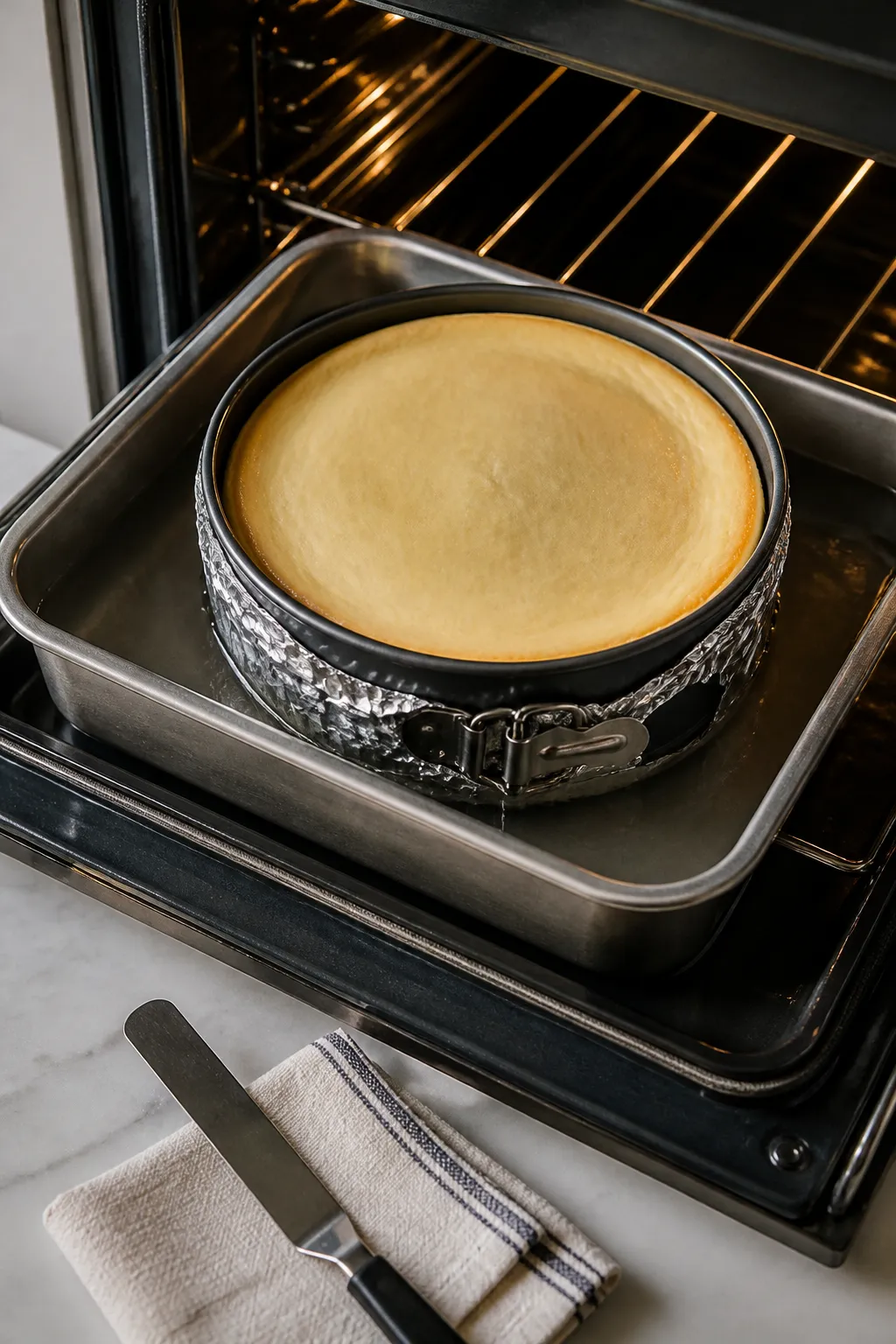
- Prep the pan and oven: Heat oven to 325°F (163°C). Wrap the outside of a 9-inch springform pan with two layers of heavy-duty foil, covering the base and sides to guard against water leaks.
Lightly grease the inside.
- Make the crust: In a bowl, combine cookie crumbs, melted butter, sugar, and a pinch of salt. Stir until the crumbs look like wet sand. Press firmly into the bottom of the pan, building a slight 1/2-inch lip up the sides.
Bake for 8–10 minutes, then cool slightly.
- Beat the cream cheese: In a large bowl, beat softened cream cheese on medium speed for 2 minutes until smooth and fluffy. Scrape the bowl and paddle often to avoid lumps.
- Add sugars and salt: Mix in granulated sugar, brown sugar, and salt until fully incorporated and creamy. Avoid whipping too much air into the batter.
- Blend in sour cream, cream, and vanilla: Add sour cream, heavy cream, and vanilla.
Beat on low until smooth. Scrape the bowl again.
- Mix in eggs: Add eggs one at a time on low speed, mixing just until each is blended. The batter should look velvety and pourable without bubbles.
- Assemble and prepare for baking: Pour the batter over the crust and smooth the top.
Tap the pan gently on the counter a few times to release air bubbles.
- Water bath setup: Place the foil-wrapped pan in a large roasting pan. Pour hot water into the roasting pan until it reaches halfway up the sides of the springform pan. Alternatively, place a pan of hot water on a lower rack to create steam if you prefer not to use a traditional bath.
- Bake: Bake at 325°F for 65–80 minutes.
The edges should be set, and the center should wobble slightly like Jell-O when you jiggle the pan. If the top browns too quickly, tent loosely with foil.
- Cool gradually: Turn off the oven, crack the door, and let the cheesecake sit inside for 45–60 minutes. This gentle cool helps prevent cracks.
- Chill: Remove the pan from the water bath, discard foil, and run a thin knife around the edge to loosen.
Cool to room temperature, then cover and refrigerate for at least 6 hours, preferably overnight.
- Add the turtle topping: Release the springform ring. Spread a thin layer of caramel over the top. Drizzle warm hot fudge in zigzags.
Scatter toasted pecans generously. Finish with another light drizzle of caramel and fudge, and a pinch of flaky sea salt if you like.
- Slice and serve: For clean slices, warm a sharp knife under hot water and wipe between cuts. Serve chilled.
Keeping It Fresh
- Refrigerate: Cover tightly and store for up to 5 days.
Keep toppings on until ready to serve; they help seal in moisture.
- Freeze: Chill the plain cheesecake first, then wrap in plastic and foil. Freeze up to 2 months. Thaw overnight in the fridge, then add toppings the day you serve.
- Prevent odor transfer: Store away from strong-smelling foods or use an airtight cake container.
Health Benefits
Cheesecake is an indulgence, but you can still find a few bright spots.
Pecans bring healthy fats, plant protein, and fiber, which help with satiety. Dark chocolate offers antioxidants, and a small portion can satisfy a sweet craving without going overboard. If you want to lighten it up, use Neufchâtel cheese for part of the cream cheese and swap Greek yogurt for some of the sour cream.
That said, this is a dessert—enjoy a modest slice and balance it with nutritious meals throughout the day.
Pitfalls to Watch Out For
- Cold ingredients cause lumps: Always bring dairy and eggs to room temperature before mixing.
- Overmixing adds air: Too much air leads to puffing and cracking. Mix on low and scrape the bowl often.
- Skipping the water bath: Dry, cracked tops are common without moisture. At least use a pan of hot water in the oven.
- Underbaking or overbaking: Look for set edges and a slight center wobble.
Solid centers mean it’s overdone.
- Leaky pan: Double-wrap with foil, or use a silicone wrap to keep water out.
- Rushing the chill: Warm cheesecake won’t slice cleanly and can slump. Chill a minimum of 6 hours.
Recipe Variations
- Salted Caramel Turtle: Use salted caramel and add a pinch of flaky sea salt on top for a sweet-salty finish.
- Brown Butter Crust: Swap melted butter for brown butter in the crust for a toasty, nutty aroma.
- Mini Turtle Cheesecakes: Bake in a muffin tin with liners for 18–22 minutes. Top after chilling for easy party portions.
- Gluten-Free: Use gluten-free chocolate cookies for the crust.
Check labels on store-bought sauces.
- Chocolate Swirl: Reserve 3/4 cup batter and mix with 2 tablespoons cocoa powder and 2 tablespoons hot cream. Swirl into the top before baking.
- No-Bake Option: Use a no-bake cookie crust with extra butter, and set the filling with whipped cream and a bit of gelatin. Chill until firm, then add toppings.
FAQ
How do I know when my cheesecake is done?
Check for set edges and a 2–3 inch area in the center that still jiggles slightly.
If it’s fully firm in the middle, it’s likely overbaked. Internal temp around 150–155°F in the center is a safe cue if you use a thermometer.
Can I make this without a water bath?
Yes. Place a pan of hot water on the lower rack to create steam and bake the cheesecake on the middle rack.
It won’t be quite as foolproof as a true bath, but it helps prevent cracks and dryness.
What’s the best caramel and chocolate to use?
Use a thick, pourable caramel that holds a drizzle without sliding off. For chocolate, hot fudge or a simple ganache made with equal parts warm cream and chopped semi-sweet chocolate works beautifully.
Why did my cheesecake crack?
Common reasons include cold ingredients, overmixing, skipping the water bath, or cooling too quickly. Next time, use room-temperature dairy, mix on low, add moisture to the oven, and cool gradually with the oven door cracked.
How far in advance can I make it?
You can make the cheesecake 1–2 days ahead.
Add the caramel, chocolate, and pecans a few hours before serving for the best texture and shine.
Can I use a different crust?
Absolutely. Graham crackers, vanilla wafers, or even pretzels for a salty twist all work. Keep the butter ratio similar so the crust binds well.
What if I don’t have a springform pan?
Use a deep 9-inch cake pan lined with a parchment sling for lifting.
Cooling fully and chilling overnight are essential before removing it from the pan.
How do I toast pecans?
Spread pecans on a baking sheet and toast at 350°F for 6–8 minutes, stirring once. They’re done when fragrant and slightly darkened. Cool before chopping.
Can I cut the recipe in half?
Yes.
Use a 6-inch springform pan and bake 45–60 minutes, checking early. Cooling and chilling steps remain the same.
Is there a lighter version?
Use half Neufchâtel, swap part of the sour cream for Greek yogurt, and limit the toppings. The texture stays creamy, with a touch less richness.
Wrapping Up
This turtle cheesecake strikes the right balance: creamy, rich filling; crisp chocolate crust; and a glossy cascade of caramel, chocolate, and toasted pecans.
Follow the steps, take your time with cooling and chilling, and you’ll get bakery-level results at home. Keep a jar of caramel handy for that final flourish right before serving. One clean slice is all it takes to win over any crowd.
Printable Recipe Card
Want just the essential recipe details without scrolling through the article? Get our printable recipe card with just the ingredients and instructions.
About the Author

Brandon D
Blogger/Fitness & Wellness Coach
I create quick, healthy, family-friendly recipes that make dinner simple, delicious, and stress-free.