Low Calorie Korean Beef Bowls – Fast, Flavorful, and Light
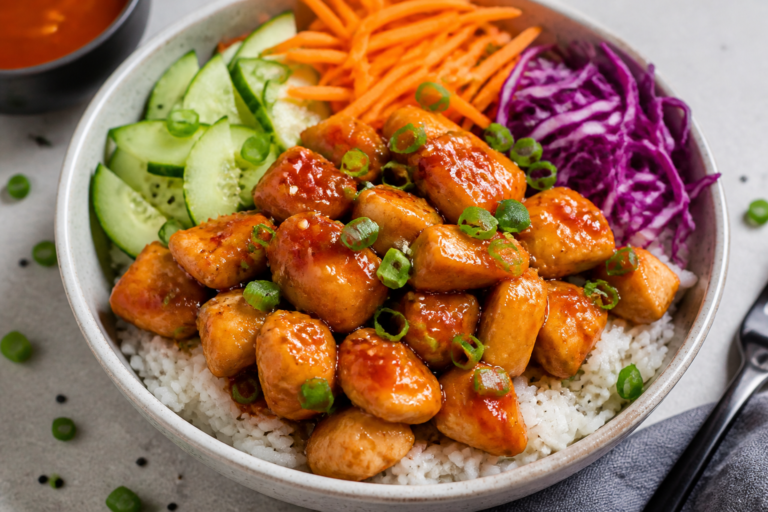
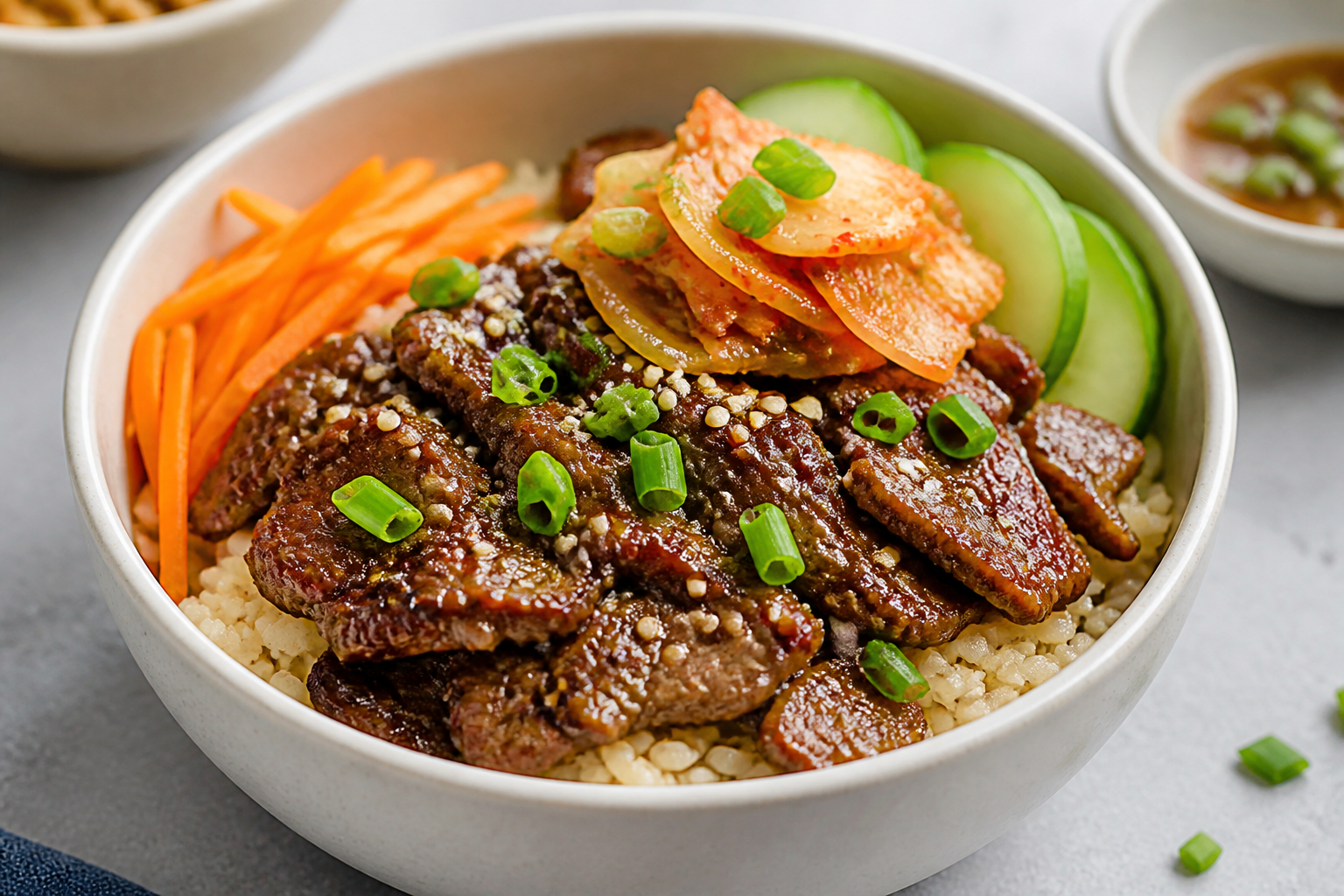
If you love takeout-style Korean beef but want something lighter, these Low Calorie Korean Beef Bowls hit the spot. They’re bold, slightly sweet, and garlicky, with plenty of fresh crunch on top. Best of all, they come together fast—perfect for weeknights or meal prep.
FREE 7-Day Easy Dinner Reset
Save time, eat healthier, and take the stress out of dinner. Get a full week of easy healthy dinners delivered straight to your inbox.
You’ll get all the flavor without the heavy calories, and you can easily tweak the recipe to fit your taste. Grab a skillet, and let’s make dinner easy and delicious.
Ingredients
Method
- Make the sauce: In a small bowl, whisk soy sauce, brown sugar, rice vinegar, gochujang (or red pepper flakes), and sesame oil. Set aside.
- Prep the aromatics: Mince garlic and ginger. Slice the green onions, keeping whites and greens separate. Prep your carrot and cucumber.
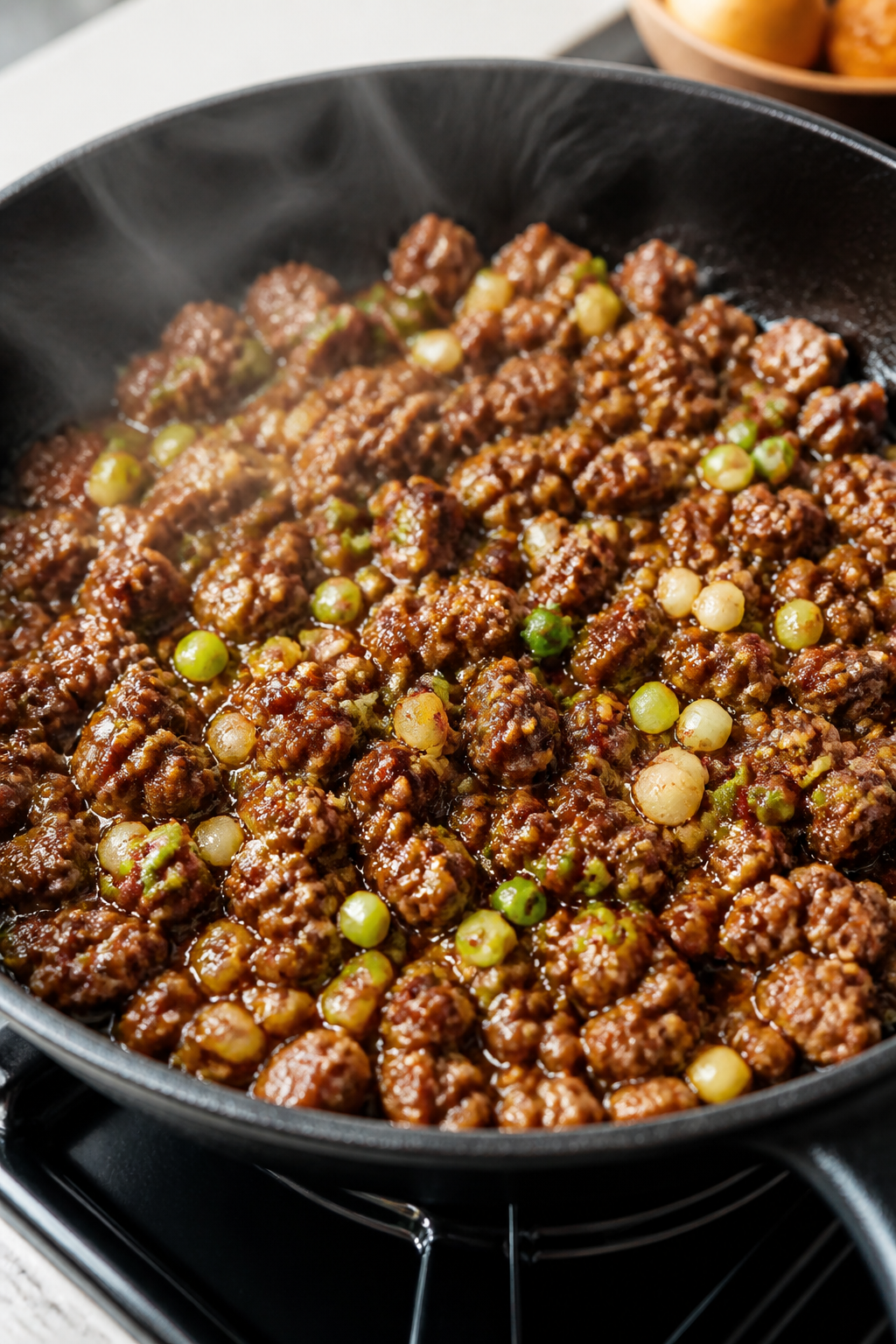
- Brown the beef: Heat a large skillet over medium-high. Add lean ground beef and cook, breaking it up, until no longer pink, about 4–6 minutes. If there’s excess fat, blot or drain to reduce calories.
- Add aromatics: Stir in garlic, ginger, and the white parts of the green onions. Cook 1–2 minutes until fragrant.
- Sauce it up: Pour in the sauce. Stir and simmer 2–3 minutes until the beef is evenly coated and the liquid slightly thickens.
- Taste and adjust: Add a splash more soy for salt, a pinch of sugar for balance, or extra gochujang for heat, as needed.
- Build the bowls: Add a scoop of steamed rice or cauliflower rice to each bowl. Top with a generous portion of beef, then add cucumber, carrot, and the green onion tops.
- Finish: Sprinkle with sesame seeds. Add lime wedges or a spoonful of kimchi if you like a tangy kick.
What Makes This Recipe So Good
- Big flavor, fewer calories: Lean ground beef, a lightened-up sauce, and plenty of veggies keep things satisfying without weighing you down.
- Weeknight-friendly: Cooks in about 20 minutes from start to finish.
- Balanced and customizable: Add more veggies, swap grains, or go spicy—this bowl plays well with your preferences.
- Meal prep star: Reheats well and holds its texture, especially with rice or cauliflower rice.
- Budget-friendly: Uses pantry staples and affordable produce.
What You’ll Need
- Lean ground beef: 1 pound (90–96% lean). Lower fat keeps calories in check while still tasting rich.
- Low sodium soy sauce or tamari: 1/4 cup.
Tamari for gluten-free.
- Brown sugar or coconut sugar: 1–1.5 tablespoons. Just enough for that classic sweet-savory balance.
- Rice vinegar: 1 tablespoon for brightness.
- Gochujang or red pepper flakes: 1–2 teaspoons, to taste. Adds gentle heat and depth.
- Garlic: 4 cloves, minced.
The backbone of the flavor.
- Fresh ginger: 1 tablespoon, minced or grated.
- Sesame oil: 1 teaspoon. A little goes a long way.
- Green onions: 4, thinly sliced (whites for cooking, greens for garnish).
- Carrot: 1 medium, shredded or julienned.
- English cucumber: 1/2, thinly sliced or matchsticked.
- Steamed rice or cauliflower rice: About 3–4 cups cooked. Cauliflower rice keeps it extra light.
- Sesame seeds: 1 tablespoon for garnish.
- Optional: Lime wedges, kimchi, shredded cabbage, or a fried egg (for non-low-calorie add-on).
Step-by-Step Instructions
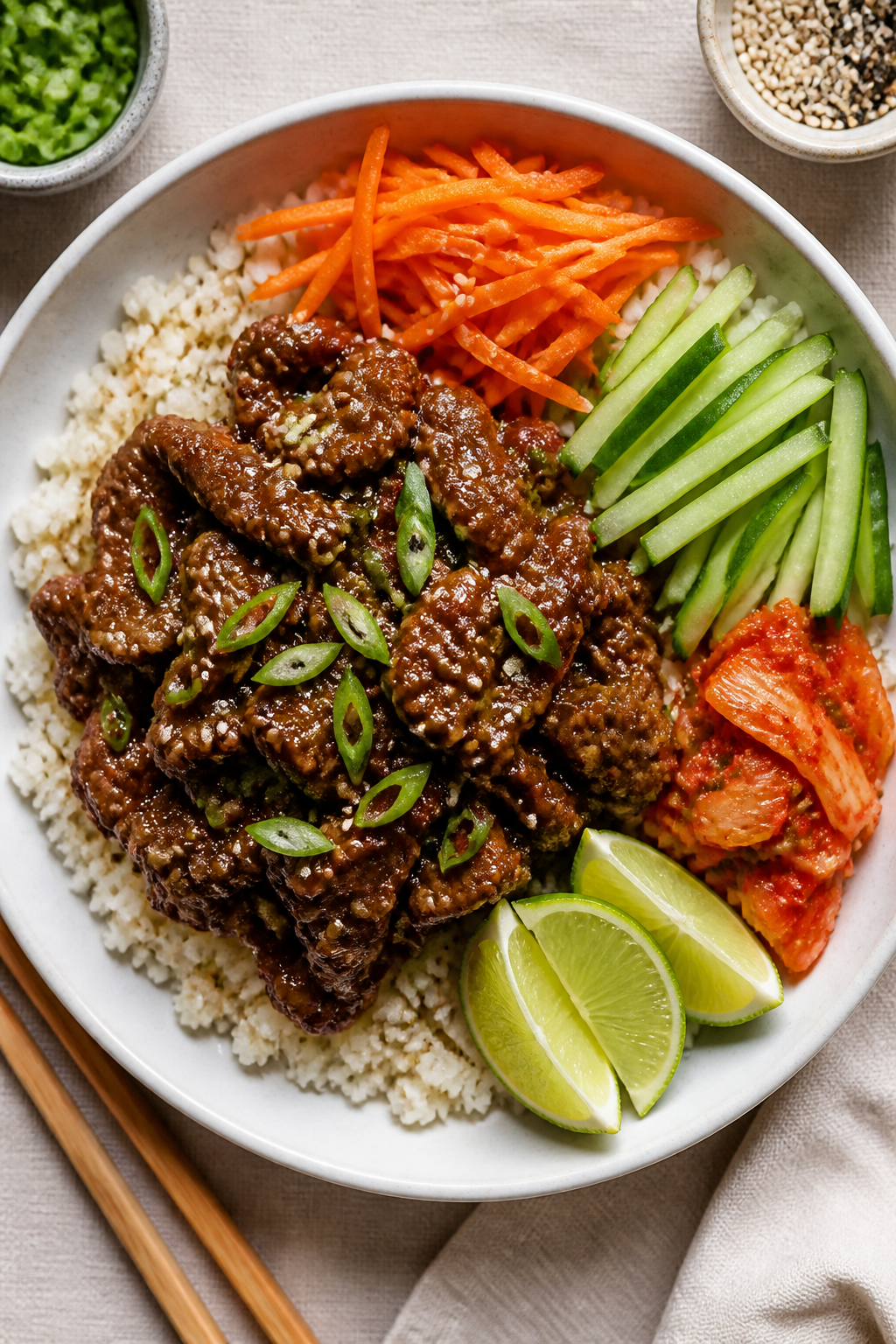
- Make the sauce: In a small bowl, whisk soy sauce, brown sugar, rice vinegar, gochujang (or red pepper flakes), and sesame oil.
Set aside.
- Prep the aromatics: Mince garlic and ginger. Slice the green onions, keeping whites and greens separate. Prep your carrot and cucumber.
- Brown the beef: Heat a large skillet over medium-high.
Add lean ground beef and cook, breaking it up, until no longer pink, about 4–6 minutes. If there’s excess fat, blot or drain to reduce calories.
- Add aromatics: Stir in garlic, ginger, and the white parts of the green onions. Cook 1–2 minutes until fragrant.
- Sauce it up: Pour in the sauce.
Stir and simmer 2–3 minutes until the beef is evenly coated and the liquid slightly thickens.
- Taste and adjust: Add a splash more soy for salt, a pinch of sugar for balance, or extra gochujang for heat, as needed.
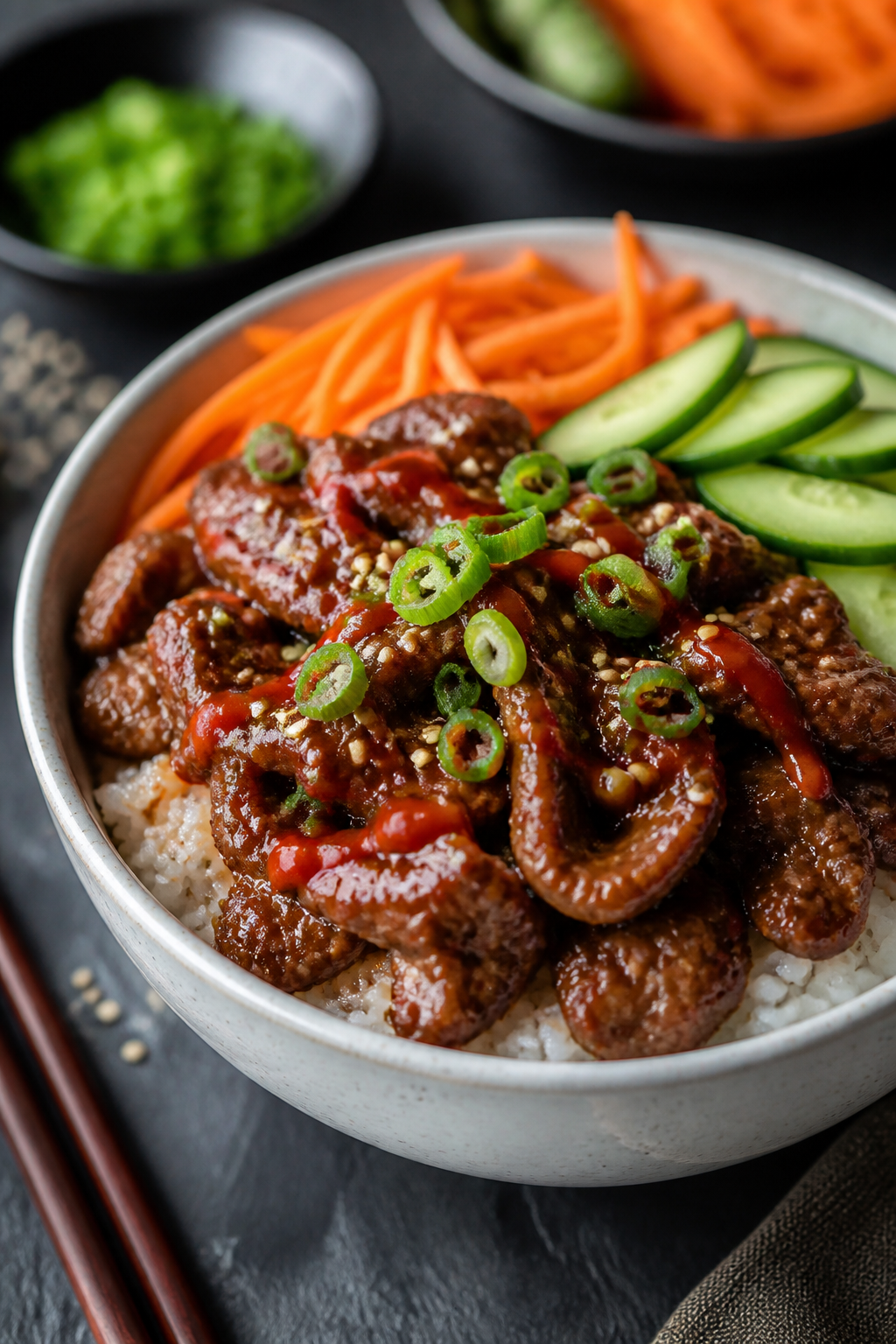
- Build the bowls: Add a scoop of steamed rice or cauliflower rice to each bowl. Top with a generous portion of beef, then add cucumber, carrot, and the green onion tops.
- Finish: Sprinkle with sesame seeds. Add lime wedges or a spoonful of kimchi if you like a tangy kick.
Keeping It Fresh
- Storage: Store cooked beef separately from fresh veggies to keep everything crisp.
Refrigerate up to 4 days in airtight containers.
- Reheat: Warm the beef in a skillet or microwave just until hot. Add a splash of water if it looks dry to keep it saucy.
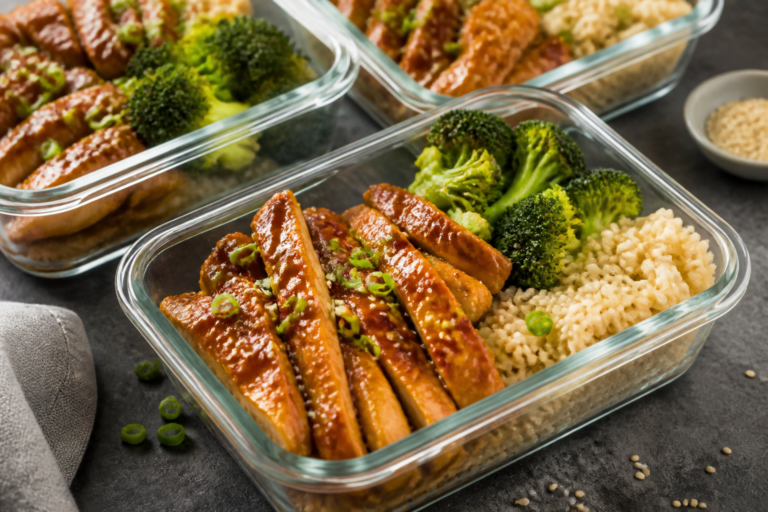
- Meal prep tips: Portion rice/cauliflower rice and beef together in containers; pack cucumber and carrot in a separate small container to add after reheating.
- Freezing: The cooked beef freezes well for up to 2 months. Thaw overnight in the fridge, then reheat.
Add fresh toppings at serving time.
Health Benefits
- Higher protein, lower calorie: Lean ground beef brings protein for fullness and muscle maintenance without excess fat.
- Sodium-conscious: Using low sodium soy sauce and controlling the sauce amounts keeps salt in check.
- Built-in veggies: Crisp cucumber and carrot add fiber, vitamins, and texture, making each bowl feel hearty and fresh.
- Smart carbs: Pair with cauliflower rice to significantly cut calories, or use a smaller portion of brown or white rice for balance.
- Flavor that fights cravings: The sweet-umami-spicy combo satisfies takeout cravings, which can help you stay on track long term.
What Not to Do
- Don’t over-sweeten: Too much sugar bumps calories and overpowers the savory notes. Keep it measured.
- Don’t skip the aromatics: Garlic and ginger are essential. Without them, the flavor falls flat.
- Don’t drown the beef: The sauce should glaze, not soup.
Simmer to thicken slightly.
- Don’t mix in fresh veggies before reheating: They’ll wilt. Add them after warming the beef.
- Don’t use high-fat beef if you want it light: Lean beef keeps the bowl satisfying and lower calorie.
Recipe Variations
- Turkey or chicken: Swap in 93–99% lean ground turkey or chicken for an even lighter bowl. Add a splash more soy to boost umami.
- Extra veggie bowl: Stir-fry sliced mushrooms, bell peppers, or shredded cabbage with the aromatics before adding the sauce.
- No-sugar tweak: Use a small amount of monk fruit or allulose.
Start with 1 teaspoon and adjust to taste.
- Gluten-free: Use tamari or coconut aminos. If using coconut aminos, reduce the sugar since it’s naturally sweeter.
- Spicy gochujang boost: Add 1–2 extra teaspoons gochujang or a drizzle of chili crisp on top.
- Bowl base swap: Try quinoa, shirataki rice, or a shredded cabbage “slaw base” for crunch and fewer calories.
- Herb and citrus finish: A squeeze of lime and a handful of cilantro or mint freshen everything up.
FAQ
How many calories are in a bowl?
It depends on your base and toppings. With 1/2 cup cauliflower rice, 4 ounces of lean beef, and standard toppings, you’re roughly in the 300–400 calorie range.
Need More Easy Dinner Ideas?
Get my FREE 7-Day Easy Dinner Reset and enjoy a full week of healthy dinners without the meal-planning stress.
With 3/4 to 1 cup cooked white rice, it’s usually closer to 450–550 calories.
Can I make it ahead for the week?
Yes. Cook the beef and portion it with rice in containers. Keep the cucumber and carrot separate, then add them after reheating so they stay crisp.
It keeps well for up to 4 days.
Is gochujang necessary?
It’s traditional and adds depth, but you can use red pepper flakes or a little sriracha in a pinch. If skipping gochujang, consider a touch more garlic and a splash of fish sauce for complexity.
What if I don’t eat beef?
Ground turkey, chicken, or crumbled extra-firm tofu all work. For tofu, pan-crisp it, then add the sauce at the end so it absorbs flavor without falling apart.
Can I reduce the sugar even more?
Yes.
Start with 1 teaspoon and increase slowly until it tastes balanced. You can also add a bit more vinegar and ginger to keep the flavor bright without extra sweetness.
How do I keep the beef from drying out?
Don’t overcook after it turns brown. Simmer gently with the sauce for just a couple of minutes.
If needed, add a tablespoon of water to keep it glossy.
What rice is best?
Short-grain white rice is classic, but jasmine or brown rice is great. For low calorie, cauliflower rice is your best bet. Heat it briefly so it doesn’t get soggy.
Wrapping Up
These Low Calorie Korean Beef Bowls are quick, bold, and easy to tailor to your goals.
With lean protein, bright veggies, and a lighter sauce, you get comfort without the calorie creep. Make a batch for the week or whip it up tonight—either way, dinner’s covered with flavor to spare.
Printable Recipe Card
Want just the essential recipe details without scrolling through the article? Get our printable recipe card with just the ingredients and instructions.
About the Author

Brandon D
Blogger/Fitness & Wellness Coach
I create quick, healthy, family-friendly recipes that make dinner simple, delicious, and stress-free.
Loved This Recipe?
If you're looking for more simple, healthy dinners your family will actually eat, grab my FREE 7-Day Easy Dinner Reset. You'll get 7 easy dinner recipes, simple grocery lists, and a done-for-you plan that takes the stress out of mealtime.