Honey Garlic Salmon Protein Bowls – Fast, Flavorful, and Satisfying
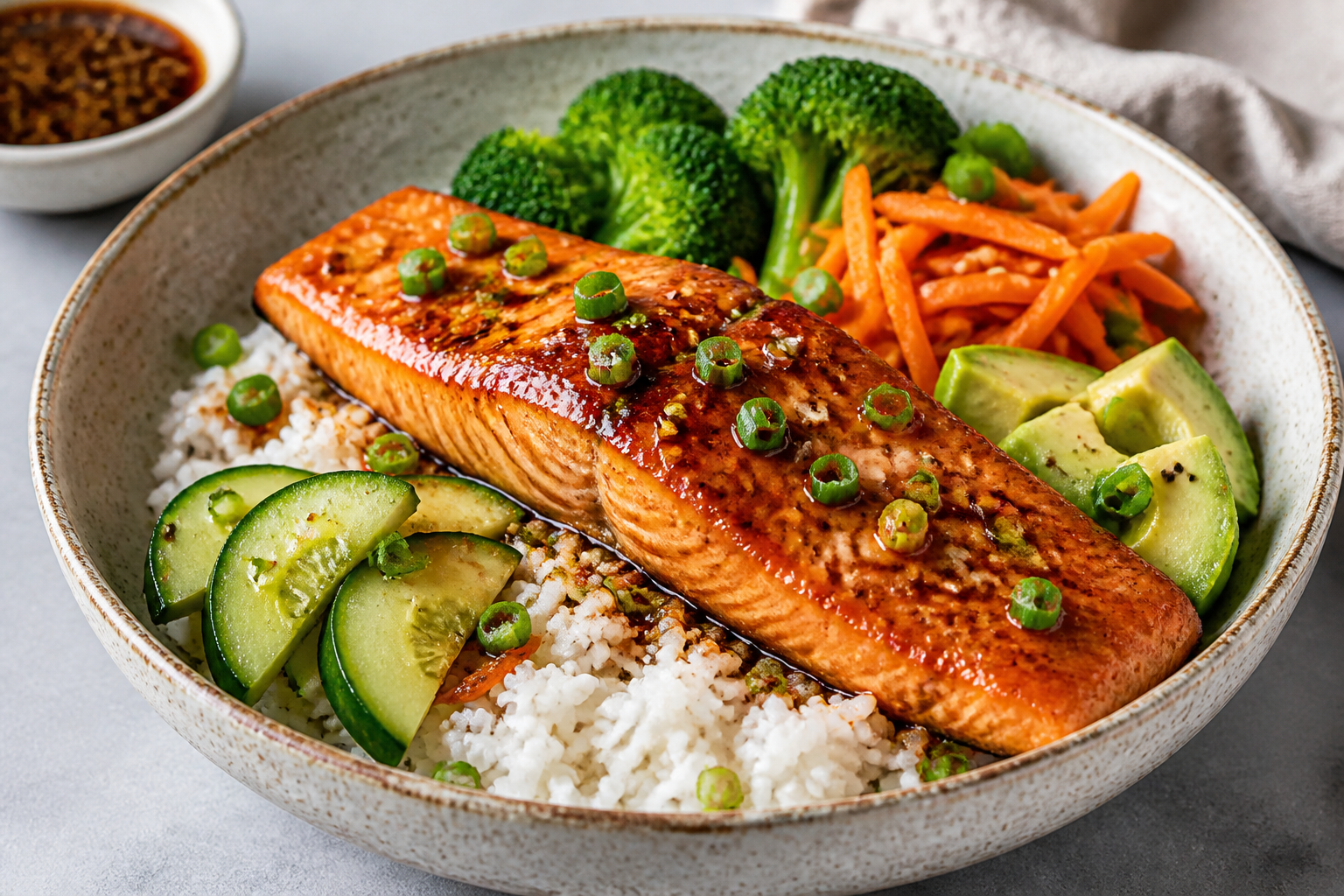
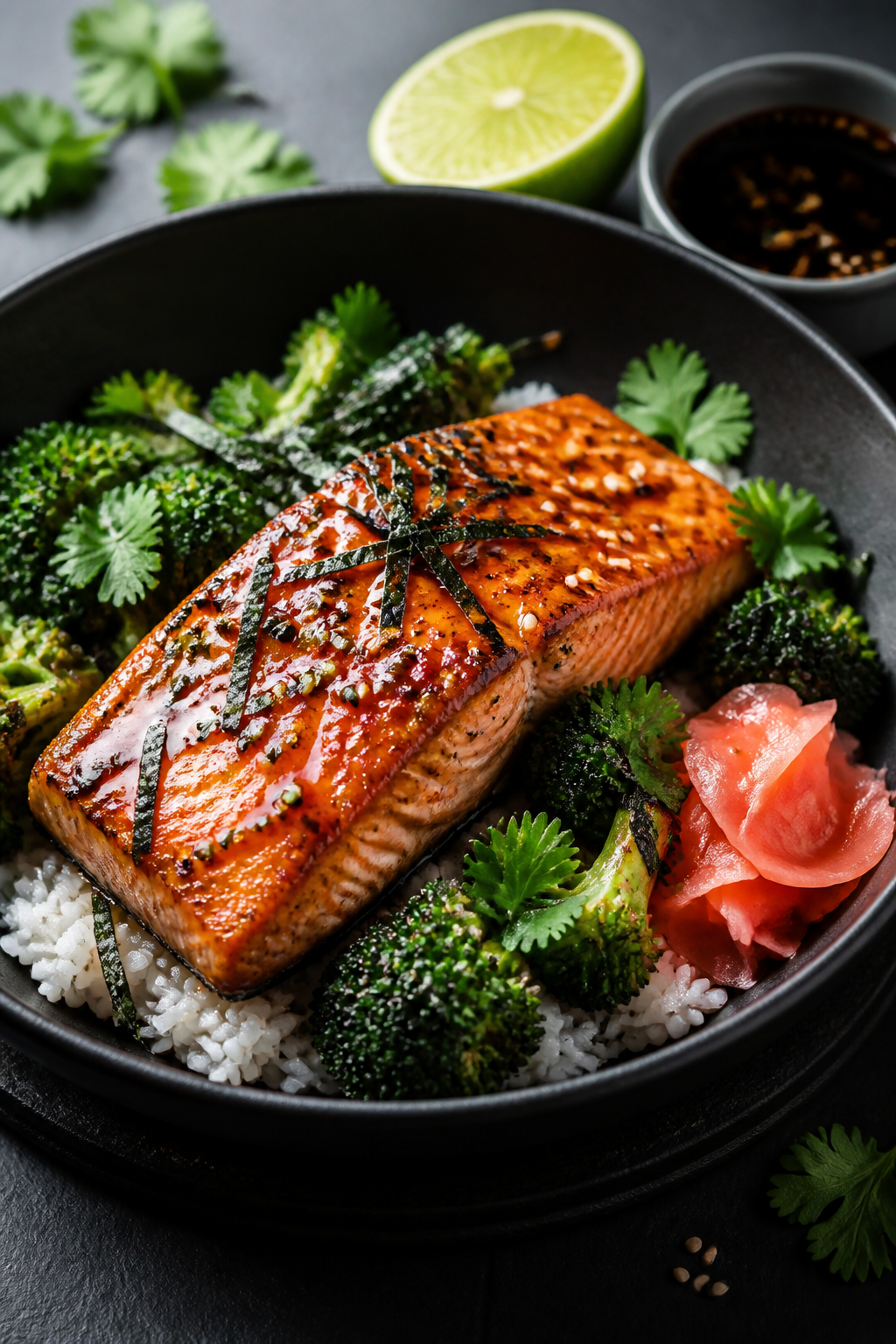
If you want a healthy dinner that actually keeps you full, these Honey Garlic Salmon Protein Bowls are a winner. They pack sweet and savory flavor with just the right amount of zing. Everything comes together quickly, and the textures are spot on—tender salmon, fluffy rice or quinoa, and crisp veggies.
FREE 7-Day Easy Dinner Reset
Save time, eat healthier, and take the stress out of dinner. Get a full week of easy healthy dinners delivered straight to your inbox.
It’s a balanced meal that feels special without being complicated. Perfect for meal prep, weeknights, or anytime you want something hearty yet fresh.
Ingredients
Method
- Cook your base: Prepare brown rice, white rice, or quinoa according to package directions. Fluff and keep warm.
- Mix the sauce: In a small bowl, whisk 3 tablespoons honey, 2 tablespoons low-sodium soy sauce, 2–3 minced garlic cloves, 1 teaspoon grated ginger (optional), 1 teaspoon rice vinegar or lime juice, 1 teaspoon sesame oil, and a pinch of red pepper flakes.
- Prep the salmon: Pat salmon dry and season lightly with salt and black pepper. Cutting into 4 portions helps with even cooking.
- Sear the salmon: Heat 1 tablespoon neutral oil in a large nonstick skillet over medium-high. Place salmon skin-side down (if using skin-on) and cook 3–4 minutes until the skin is crisp and the sides look opaque about one-third of the way up.
- Flip and glaze: Flip the salmon. Pour in the honey garlic sauce and tilt the pan to coat. Reduce heat to medium. Spoon the bubbling sauce over the salmon as it finishes cooking, 2–4 more minutes, until just cooked through and glossy.
- Rest briefly: Remove salmon to a plate and let it rest 2 minutes. The carryover heat finishes the center without drying it out. If the sauce is thin, simmer it for 30–60 seconds to thicken slightly.
- Assemble the bowls: Add a scoop of rice or quinoa to each bowl. Layer on greens and your choice of vegetables (cucumber, carrots, edamame, bell pepper, or broccoli). Place the salmon on top and drizzle with extra pan sauce.
- Finish with toppings: Add sliced green onions, sesame seeds, avocado, and a squeeze of lime. Taste and adjust with a splash of soy sauce if needed.
Why This Recipe Works
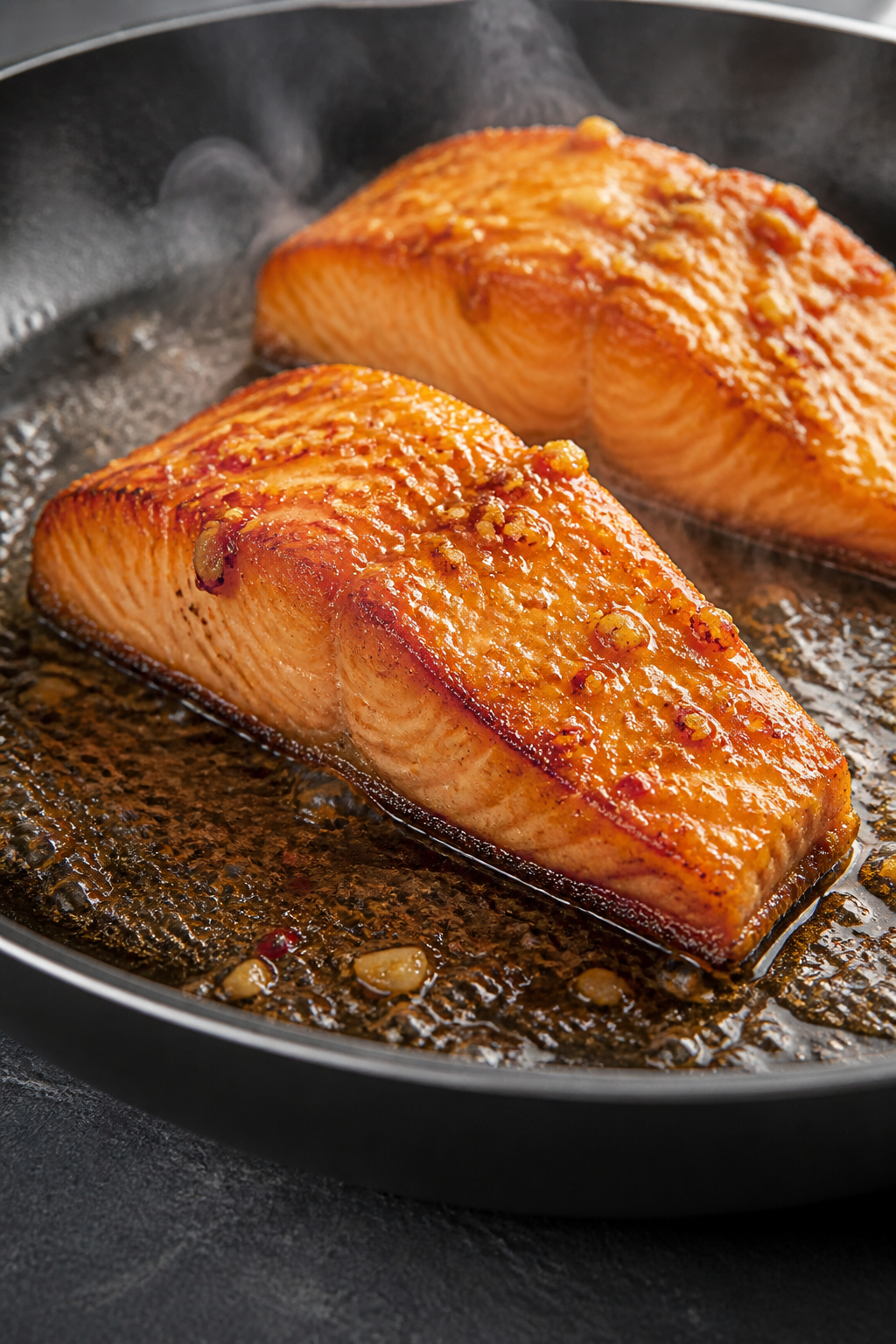
This recipe hits that sweet spot between comfort food and clean eating. The honey garlic sauce caramelizes on the salmon, giving you a glossy, sticky finish without deep frying.
A quick sear locks in moisture, so each bite stays tender. Layering grains, protein, and colorful vegetables builds a complete bowl that tastes great and fuels you well. Plus, it’s endlessly customizable—swap the grain, change the greens, or add a crunchy topping and it still turns out delicious.
What You’ll Need
- Salmon fillets: 1 to 1.25 lbs, cut into 4 portions, skin-on or skinless.
- Honey: For sweetness and caramelization.
- Low-sodium soy sauce or tamari: Adds umami and balances the honey.
- Garlic: Freshly minced for bold flavor.
- Rice vinegar or lime juice: A touch of acidity to brighten the sauce.
- Sesame oil: For nutty depth (just a little).
- Fresh ginger: Optional, grated for extra warmth.
- Red pepper flakes or sriracha: Optional heat.
- Neutral oil: Avocado or canola for searing.
- Cooked base: Brown rice, white rice, or quinoa.
- Vegetables: Cucumber, shredded carrots, edamame, bell pepper, or steamed broccoli.
- Greens: Baby spinach, shredded cabbage, or mixed greens.
- Toppings: Green onions, sesame seeds, avocado, cilantro.
- Optional extras: Pickled ginger, nori strips, a squeeze of lime.
- Salt and black pepper: To season the salmon.
How to Make It
- Cook your base: Prepare brown rice, white rice, or quinoa according to package directions.
Fluff and keep warm.
- Mix the sauce: In a small bowl, whisk 3 tablespoons honey, 2 tablespoons low-sodium soy sauce, 2–3 minced garlic cloves, 1 teaspoon grated ginger (optional), 1 teaspoon rice vinegar or lime juice, 1 teaspoon sesame oil, and a pinch of red pepper flakes.
- Prep the salmon: Pat salmon dry and season lightly with salt and black pepper. Cutting into 4 portions helps with even cooking.
- Sear the salmon: Heat 1 tablespoon neutral oil in a large nonstick skillet over medium-high. Place salmon skin-side down (if using skin-on) and cook 3–4 minutes until the skin is crisp and the sides look opaque about one-third of the way up.
- Flip and glaze: Flip the salmon.
Pour in the honey garlic sauce and tilt the pan to coat. Reduce heat to medium. Spoon the bubbling sauce over the salmon as it finishes cooking, 2–4 more minutes, until just cooked through and glossy.
- Rest briefly: Remove salmon to a plate and let it rest 2 minutes.
The carryover heat finishes the center without drying it out. If the sauce is thin, simmer it for 30–60 seconds to thicken slightly.
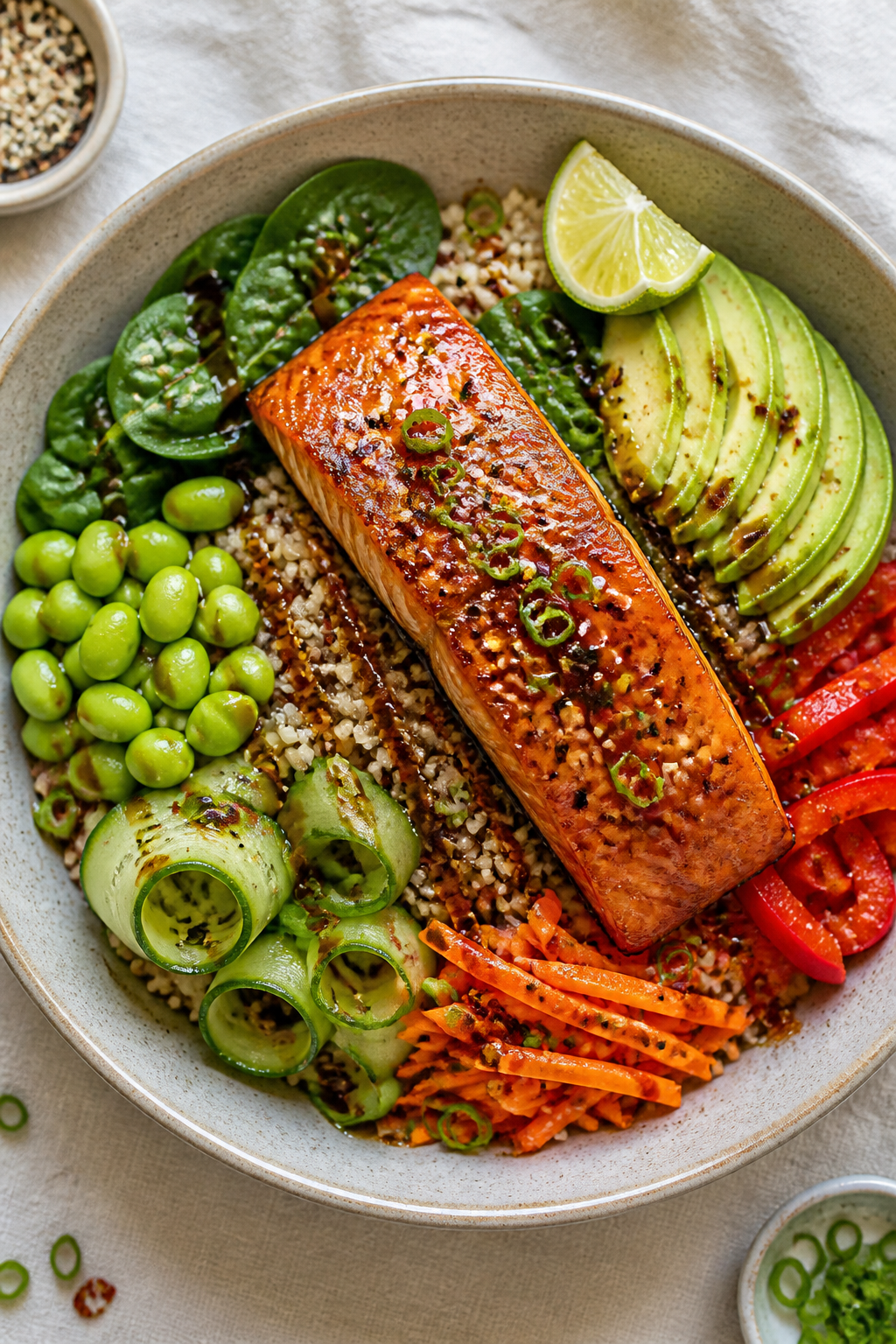
- Assemble the bowls: Add a scoop of rice or quinoa to each bowl. Layer on greens and your choice of vegetables (cucumber, carrots, edamame, bell pepper, or broccoli).
Place the salmon on top and drizzle with extra pan sauce.
- Finish with toppings: Add sliced green onions, sesame seeds, avocado, and a squeeze of lime. Taste and adjust with a splash of soy sauce if needed.
How to Store
- Refrigerator: Store cooked salmon, grains, and veggies separately in airtight containers for up to 3 days. Keep the sauce in a small jar.
- Reheating: Warm salmon and grains gently in the microwave at 50–70% power to avoid drying out.
Add a splash of water to rice to refresh it.
- Meal prep tip: Assemble bowls without cucumber or avocado. Add fresh toppings just before eating for the best texture.
- Freezing: Cooked salmon freezes well for up to 2 months. Freeze without fresh veggies or greens.
Thaw overnight in the fridge, then reheat gently.
Health Benefits
- High-quality protein: Salmon supplies complete protein that supports muscle repair and keeps you satisfied.
- Omega-3 fats: Rich in EPA and DHA, salmon supports heart, brain, and joint health.
- Balanced macros: Pairing salmon with whole grains and fiber-rich veggies helps steady energy and blood sugar.
- Micronutrients: You’ll get B vitamins, selenium, potassium from salmon; vitamin C and antioxidants from vegetables; and magnesium from whole grains.
- Customizable sodium and sugar: Using low-sodium soy and controlling the honey keeps the sauce lighter than takeout versions.
Common Mistakes to Avoid
- Overcooking the salmon: Pull it when it flakes easily and is still moist in the center. It will continue to cook slightly off the heat.
- Skipping the pat-dry step: Wet salmon won’t sear well and can steam instead of caramelize.
- Using high heat with honey too long: Honey burns quickly. Sear first, then glaze at a slightly lower heat.
- Overcrowding the pan: Cook in batches if needed for an even sear and better texture.
- Forgetting acidity: A splash of vinegar or lime brightens the sauce and balances the sweetness.
Alternatives
- Protein swaps: Use chicken thighs (pan-seared or baked), shrimp (cooks fast—2–3 minutes per side), or extra-firm tofu (pressed and seared until crisp).
- Grain swaps: Try farro, cauliflower rice, or soba noodles for a different base.
- Sauce tweaks: Swap honey with maple syrup or brown sugar.
Use coconut aminos in place of soy for a gluten-free, slightly sweeter profile.
- Veggie variations: Roasted Brussels sprouts, sautéed snap peas, or a simple cabbage slaw add crunch and color.
- Toppings: Crushed roasted peanuts, chili crisp, or a drizzle of yogurt-sriracha sauce for extra kick.
FAQ
How do I know when the salmon is done?
Look for salmon that flakes easily with a fork and is opaque on the outside with a slightly translucent center. If you use a thermometer, aim for 125–130°F for medium and let it rest a couple of minutes.
Can I bake the salmon instead of searing?
Need More Easy Dinner Ideas?
Get my FREE 7-Day Easy Dinner Reset and enjoy a full week of healthy dinners without the meal-planning stress.
Yes. Bake at 400°F (205°C) for 8–12 minutes depending on thickness.
Brush with the honey garlic sauce during the last few minutes or simmer the sauce separately and spoon it over before serving.
Is this recipe gluten-free?
Use tamari or certified gluten-free soy sauce, and pair with rice or quinoa. Double-check toppings and any packaged ingredients to be safe.
Can I make it ahead for meal prep?
Absolutely. Cook the grains and salmon, prep your veggies, and store everything separately.
Assemble and reheat just before eating, then add fresh toppings like avocado and cucumber.
What if I don’t like spicy food?
Skip the red pepper flakes or sriracha. The sauce is still flavorful with honey, garlic, and soy. You can add a little extra ginger or lime for brightness instead.
What cut of salmon works best?
Center-cut fillets cook evenly and hold together well.
Skin-on fillets are great for crisping and help prevent sticking, but skinless works too.
Can I use frozen salmon?
Yes, thaw it overnight in the fridge or under cold running water in a sealed bag. Pat very dry before cooking to ensure a good sear.
How do I prevent the sauce from burning?
Sear the salmon first, then lower the heat before adding the sauce. Keep it moving and spoon it over the fish.
If it thickens too fast, add a splash of water to loosen.
In Conclusion
Honey Garlic Salmon Protein Bowls bring big flavor with minimal fuss. You get a satisfying mix of protein, fiber, and healthy fats in a bowl that’s easy to customize and perfect for busy nights. Keep the steps simple, don’t overcook the salmon, and finish with fresh toppings for a meal that tastes restaurant-level at home.
This is one of those recipes you’ll make once and keep coming back to all year long.
Printable Recipe Card
Want just the essential recipe details without scrolling through the article? Get our printable recipe card with just the ingredients and instructions.
About the Author

Brandon D
Blogger/Fitness & Wellness Coach
I create quick, healthy, family-friendly recipes that make dinner simple, delicious, and stress-free.
Loved This Recipe?
If you're looking for more simple, healthy dinners your family will actually eat, grab my FREE 7-Day Easy Dinner Reset. You'll get 7 easy dinner recipes, simple grocery lists, and a done-for-you plan that takes the stress out of mealtime.